
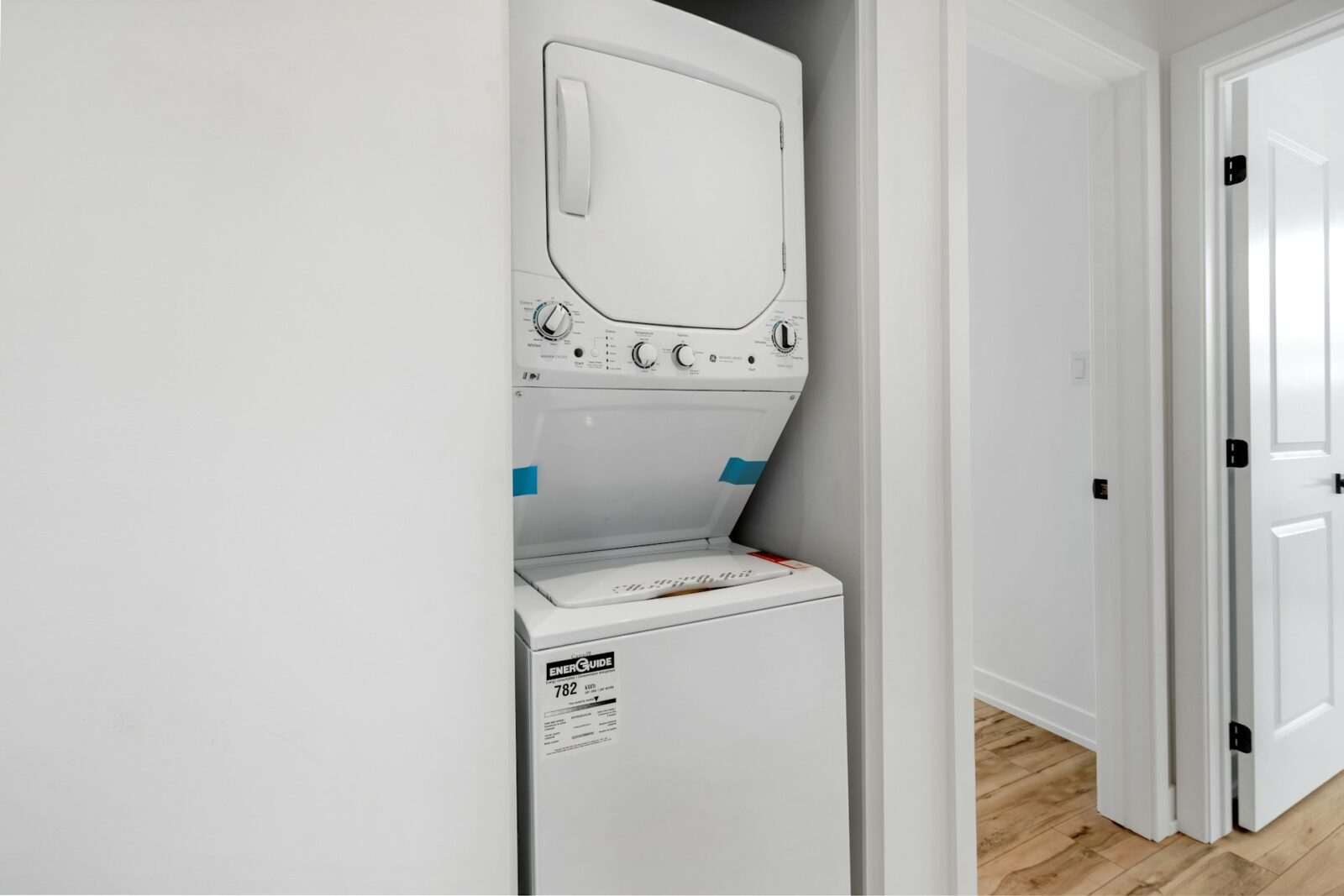
Few things disrupt a household routine quite like a broken laundry appliance. You wash a load of clothes, toss them into the drum, and return an hour later only to find damp, musty fabrics. This frustration often leads to a frantic search for quick fixes or an impromptu trip to the local laundromat.
Understanding how your laundry equipment functions can save you both time and money. Many minor issues stem from simple oversights, such as a clogged lint trap or an overloaded drum.
Addressing these minor faults early prevents them from escalating into major mechanical failures that require expensive replacement parts. However, some malfunctions go beyond basic troubleshooting and pose genuine safety hazards.
Electrical faults, burning smells, and complex internal breakdowns require a trained eye. This guide will help you identify common appliance faults, perform basic maintenance, and determine the exact moment you need to reach out for expert assistance.
Recognizing the Signs of a Failing Appliance
Pay Attention to Unusual Sounds
Appliances naturally produce a steady hum during operation, but sudden, harsh sounds indicate an underlying issue. A machine that starts grinding, squealing, or thumping is usually struggling with worn-out internal components. Ignoring these auditory warnings often leads to severe damage, as a single broken part can strain the entire motor system.
Watch for Extended Drying Times
If your clothes require two or three cycles to dry completely, your appliance is not operating efficiently. Restricted airflow is the most common culprit, forcing the machine to work overtime. This inefficiency drastically increases your monthly energy bills and puts unnecessary wear and tear on the heating elements.
Tackling Temperature Troubles
Why Your Appliance Lacks Heat
A dryer not heating properly defeats its entire purpose. This frustrating problem usually originates from a burned-out heating element, a faulty thermostat, or a tripped circuit breaker. Electric models rely on high-voltage connections, so a partial power drop might allow the drum to spin while preventing the heating coils from activating.
Assessing the Thermal Fuse
Modern machines feature a thermal fuse designed to prevent fires by shutting off power if the internal temperature gets too high. Once this fuse blows, it cannot be reset and must be replaced. A blown fuse often points to a severe ventilation blockage, meaning you must clear the exhaust ducts before installing a new component.
Silencing Disruptive Machine Sounds
Identifying the Culprits Behind the Racket
Loud noises disrupt your peace and signal that internal parts are degrading. Worn drum rollers, damaged glide bands, or a frayed drive belt are the usual suspects. A reliable noisy dryer fix often involves opening the machine’s cabinet to inspect these moving parts for visible signs of wear, cracking, or deterioration.
Steps for a Quick Assessment
Before dismantling anything, check the drum for loose items. Coins, keys, or metal buttons frequently slip out of pockets and rattle against the metal walls. If the drum is empty and the noise persists, unplug the unit and manually rotate the drum to feel for resistance, which indicates failing bearings or rollers.
Power and Tumbling Interruptions
When the Machine Won’t Turn On
Pressing the start button and hearing complete silence is incredibly stressful. Start with the basics: ensure the plug is securely in the wall outlet and check your home’s electrical panel for tripped breakers.
Furthermore, a faulty door switch will prevent the machine from starting, as the system must register that the door is firmly latched before engaging the motor.
Addressing Drum Rotation Failures
Sometimes the motor hums, but the drum refuses to spin. This almost always indicates a snapped drive belt. The belt wraps around the drum and connects to a tension pulley and the motor. When it breaks, the motor spins freely without turning the heavy load of wet clothes.
Essential Routine Maintenance
Keeping the Vents and Filters Clear
Preventive maintenance extends the lifespan of your appliance and protects your home from fire hazards. Establish a consistent cleaning routine to keep air flowing freely through the system.
- Clean the lint screen: Remove lint before every single cycle.
- Inspect the exhaust vent: Check the exterior wall vent monthly to ensure flaps open easily.
- Vacuum the housing: Use a vacuum attachment to clear debris from the slot holding the lint screen.
- Wash the drum: Wipe the interior periodically with a damp cloth to remove detergent residue.
Avoiding the Overloading Trap
Cramming too many wet towels into the machine might seem like a time-saver, but it causes significant damage. Overloading strains the motor, damages the drive belt, and prevents air from circulating through the fabrics. Always leave enough space for the clothes to tumble freely.
Choosing Expert Appliance Solutions
The Risks of DIY Repairs
While cleaning a lint filter is a simple task, replacing internal electrical components carries significant risk. Gas models pose an even greater danger, as improper handling can lead to carbon monoxide leaks or explosions.
Attempting complex repairs without proper training often voids the manufacturer’s warranty and causes further damage.
Securing Reliable Service in Your Area
When basic troubleshooting fails to resolve the issue, it is time to bring in the professionals. Look for certified technicians who offer transparent pricing and warranties on their labor.
Finding a trusted provider for dryer repair Edmonton ensures your appliance is handled by experts equipped with genuine replacement parts and diagnostic tools.
Make Laundry Day Easy Again
Dealing with broken laundry equipment is a frustrating hurdle, but it doesn’t have to ruin your week. By paying attention to early warning signs, performing regular maintenance, and knowing your limits, you can extend the life of your machine. Keep your vents clear, listen for strange noises, and never ignore a complete lack of heat.
When you encounter a problem that goes beyond a simple fix, do not hesitate to seek professional assistance. Fast, reliable service guarantees your household stays on track, and your appliances run safely. For expert help getting your laundry routine back to normal, click here.