


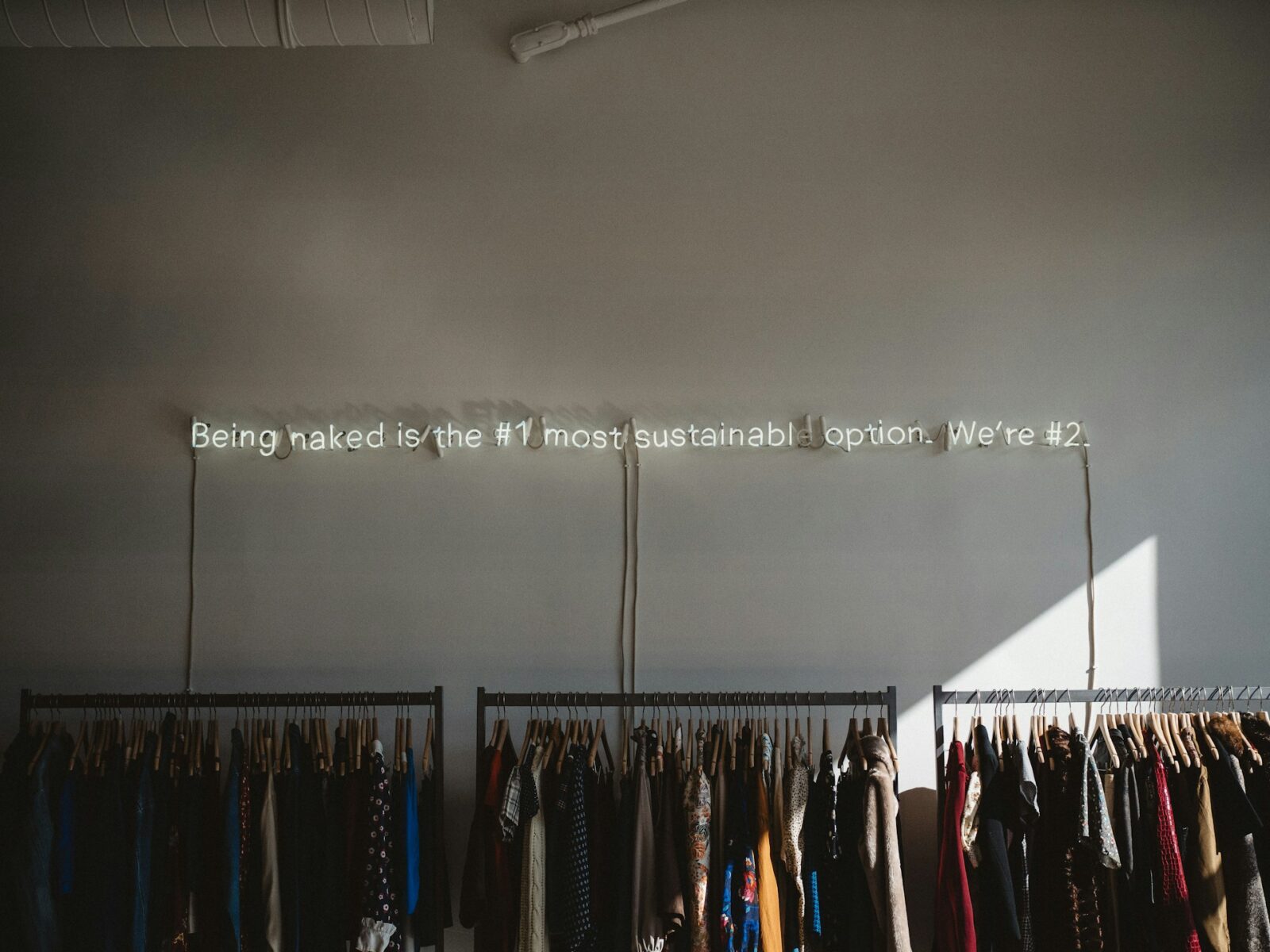
The fashion industry has long been associated with creativity and innovation. However, the rapid production and disposal of clothing, commonly referred to as fast fashion, comes with considerable environmental costs.
Every year, the production of textiles releases 1.2 billion tons of carbon dioxide and consumes significant water resources. For example, producing a single cotton T-shirt takes approximately 2,700 liters of water, enough for one person to drink for 2.5 years.
Additionally, the waste generated by discarded clothes is staggering. Over 92 million tons of textile waste end up in landfills annually. This highlights the urgent need to rethink how clothing is made, consumed, and disposed of.
Why Ethical Clothing is Gaining Momentum
Consumers are becoming increasingly aware of the ethical issues surrounding traditional fashion practices. These include unfair labor conditions, hazardous work environments, and incredibly low wages for garment workers in developing countries.
Brands adopting ethical clothing practices ensure fair pay, safe working conditions, and humane labor policies throughout their supply chains.
Companies such as Eileen Fisher, Patagonia, and Everlane are leading the charge, proving that aligning with these values resonates deeply with conscious consumers.
What Defines an Eco-Friendly Wardrobe?
An eco-friendly wardrobe is not just about the materials but also about the mindset behind your clothing choices.
Primarily, it involves focusing on quality over quantity and choosing versatile, timeless pieces crafted from sustainable fabrics like organic cotton, Tencel, and recycled polyester. Here are some ideas to build an eco-friendly wardrobe effectively:
- Invest in Versatility: Opt for clothes that you can style in multiple ways to minimize excessive buying.
- Check Labels: Look for certified sustainable brands with clear commitments to eco-friendly production.
- Repair and Reuse: Extend the lifespan of your clothes by mending minor damages or upcycling items into something new.
The goal is to reduce waste and prioritize durability over transient trends.
What You Need to Know About Slow Fashion
Slow fashion offers a stark contrast to the high-speed model of fast fashion. It emphasizes mindful production processes, smaller collections, and artisan craftsmanship.
Slow fashion prioritizes quality materials and supports ethical supply chains, catering to customers who value longevity and sustainability over fleeting trends.
Brands like Amour Vert and Reformation are champions of slow fashion, creating clothes designed to last and making sustainability central to their operations.
The Rise of Conscious Consumerism
Today’s consumers are wielding their purchasing power to support brands that align with their values. Conscious consumerism has seen a rise in buyers asking, “Who made my clothes?”, a question popularized by the Fashion Revolution movement.
At its core, this movement calls on buyers to hold brands accountable for their practices. Customers are now making more informed decisions by researching brands that disclose their environmental and social impact.
This collective shift toward a more responsible approach to shopping is directly contributing to the steady growth of sustainable fashion.
Small Changes, Big Impact
Adopting sustainable fashion practices doesn’t require an all-or-nothing approach. Here’s how individuals can make a meaningful impact with small but effective changes:
- Shop Second-Hand: Thrift stores and vintage shops offer unique options while reducing demand for new production.
- Organize Swap Events: Share gently used clothing with friends and family to promote reuse.
- Buy Less, Choose Wisely: When purchasing, invest in high-quality, versatile pieces to reduce unnecessary consumption.
Even modest efforts can collectively drive significant environmental and ethical improvements in the global fashion industry.
Be the Change You Want to See
The fashion industry is at a turning point. Sustainable fashion is redefining the way consumers and brands interact to create meaningful change.
By supporting ethical clothing, building eco-friendly wardrobes, and prioritizing slow fashion, we can reduce environmental harm while advocating for fair labor practices.
Whether you’re rethinking your purchases or inspiring others as a conscious consumer, every decision plays a role in shaping a better future for fashion, and the planet.