

When working remotely or spending long hours in your home office, your environment plays a significant role in your productivity.
A well-designed workspace can inspire creativity, boost focus, and even improve your overall well-being. But creating an office that’s both cozy and practical requires thoughtful planning and attention to detail.
This guide will walk you through actionable steps to design a home office that feels inviting, maximizes comfort, and enhances productivity. From choosing the right furniture to adding personal touches, here’s how to make your space a haven for work and focus.
Start with the Right Location in Your Home
Choose a Dedicated Space
Carving out a dedicated workspace is the first step toward designing a productive office. Avoid areas with heavy foot traffic or distractions, such as your living room or kitchen. A spare bedroom, unused corner, or even a section of a large room can work well if it’s clearly defined as your office area.
Consider Noise Levels
Think about your work needs. If you make frequent calls or need quiet to focus, choose a spot away from busy areas or consider noise-canceling solutions like a soundproofing panel or white noise machine.
Invest in Ergonomic Furniture
Opt for a Comfortable Chair
A good office chair is an investment in your health. Look for an ergonomic design that supports your lower back, promotes good posture, and can be adjusted to match your desk height. Chairs with padded cushions and breathable fabric will also ensure long-term comfort.
Find the Right Desk
Your desk should be spacious enough to hold your essentials without making the space feel cluttered. If possible, choose an adjustable desk that allows you to alternate between sitting and standing—a key to improving posture and productivity.
Add Supportive Accessories
Footrests, monitor stands, and wrist supports go a long way in creating an ergonomic setup. These small additions can prevent strain, ensuring you stay comfortable throughout the day.
Prioritize Lighting for Comfort and Functionality
Leverage Natural Light
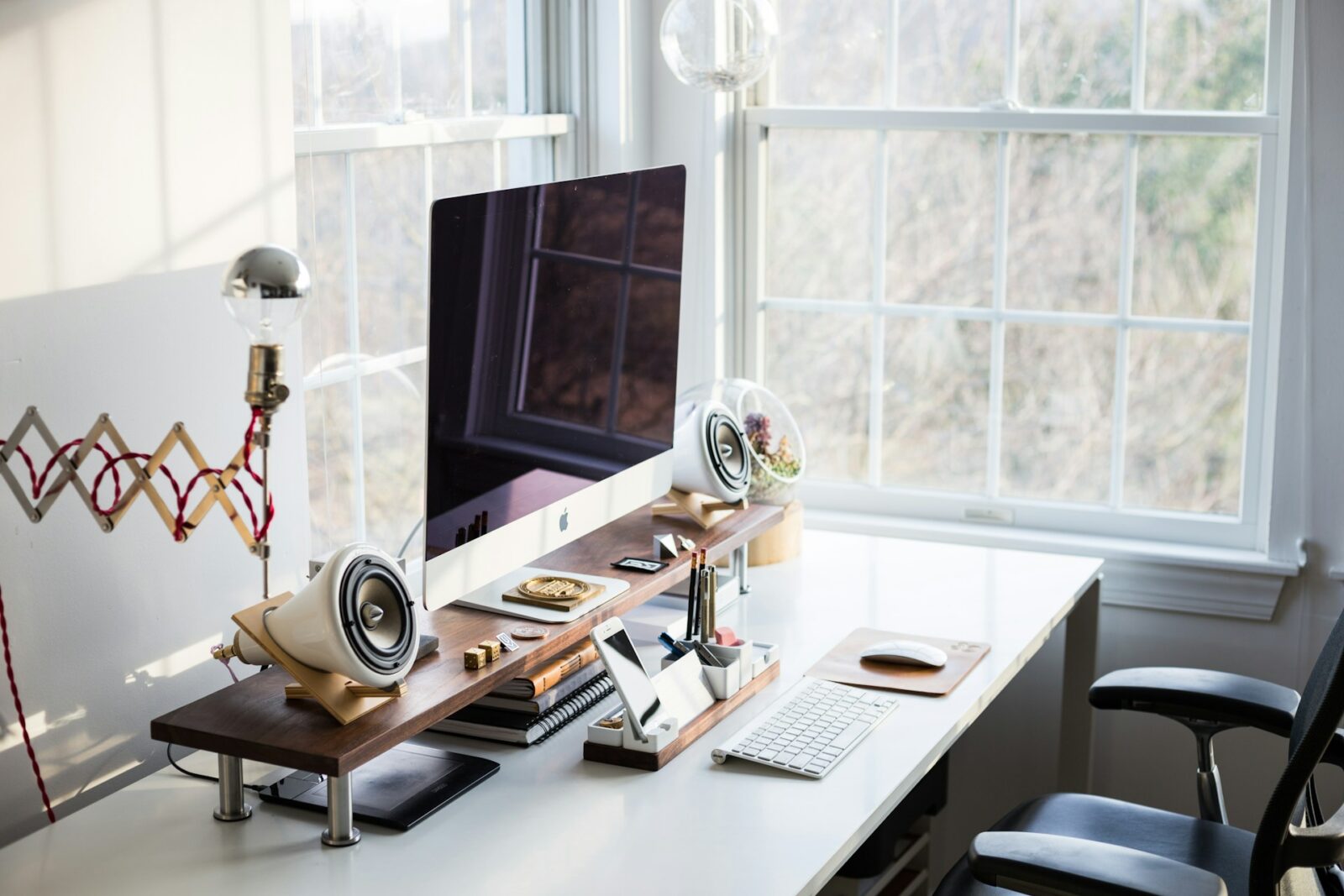
Position your desk near a window to take advantage of natural light, which can reduce eye strain and improve mood. Make sure, however, to avoid glare on your screen by angling your workspace appropriately.
Layer Your Lighting
Combine natural light with artificial lighting for optimal results. A combination of overhead lighting and a desk lamp will keep your space well-lit throughout the day. Warm-toned bulbs help create a cozy atmosphere, while bright white lights enhance focus.
Reduce Screen Glare
Install blinds or curtains to control sunlight during specific hours. Anti-glare screen protectors can also prevent strain when working for prolonged periods.
Declutter and Organize Your Workspace
Keep Essentials Within Reach
An organized workspace boosts efficiency. Use storage solutions like shelves, file organizers, or bins to keep your desk clear of clutter while ensuring necessary items are accessible.
Go Paperless Where Possible
Reduce paper clutter by shifting to digital tools for note-taking and document organization. Apps like Evernote and Google Drive can help you streamline your workflow and keep your documents safe.
Tidy Up Daily
Take five minutes at the end of each day to put away items, organize papers, and clear your desk. Starting with a clean surface each morning sets a productive tone for the day ahead.
Add Personal Touches to Reflect Your Style
Incorporate Art and Decor
Bring your personality into the space with artwork, decorative items, or your favorite books. Surrounding yourself with things you love can foster creativity and make your workspace an enjoyable place to be.
Bring in Greenery
Adding plants can improve air quality and create a calming ambiance. Low-maintenance options like succulents, snake plants, or pothos are great for beginners and thrive indoors.
Use a Color Palette That Inspires You
Colors influence mood, so choose a palette that aligns with your goals. Calming tones like blues and greens work well for focus, while pops of yellow or orange add energy and warmth.
Create Boundaries Between Work and Relaxation
Define Clear Work Hours
Working from the comfort of home makes it tempting to keep the hustle going 24/7. However, for the sake of your mental health, you need a hard stop. Set specific start and end times for your workday—and stick to them. This discipline ensures you have dedicated time to recharge.
Keep Work and Personal Life Separate
Physical boundaries are just as important as temporal ones. Keep household distractions—like that pile of laundry or snack wrappers—out of your workspace.
Conversely, banish your laptop and work emails from your living room or bedroom. When you physically leave your workstation, you signal to your brain that it’s time to switch off.
Where Productivity Meets Comfort
A thoughtfully designed home office boosts productivity and makes the daily grind more enjoyable. By prioritizing organization and personal style, you can transform your workspace into an environment where you actually want to spend time.
Even with the perfect schedule and a stylish desk, a sedentary lifestyle can take a toll on your body. Stiffness, neck strain, and back pain make it impossible to truly relax after hours. If you are noticing persistent aches, don’t ignore them.
A quick search for a physiotherapist near me Ottawa can connect you with experts who can help address the root cause of your pain, ensuring your body feels as good as your workspace looks.
Whether you are converting a spare room or claiming a quiet corner, creating a space that works for your specific needs makes all the difference. Implement these boundaries today for a happier, healthier work-life balance.